

How to Use Protein Isolate for Post-Workout Recovery
Last Updated: November 4, 2026
Quick Summary
A protein isolate is a whey protein filtered to remove most fat, lactose and carbohydrates, making it a concentrated source of amino acids for muscle repair. Taking a serving of about 20 to 40 grams after training supports recovery, but total daily protein intake matters more than exact timing.
- A standard scoop of Axe & Sledge Farm Fed 100% Whey Protein Isolate provides 25 grams of protein.
- Total daily protein intake matters more than the exact timing of a single serving.
- Protein powder should supplement real food, not replace meals.
- Isolate suits people who are cutting or sensitive to lactose, while concentrate costs less.
- Mix isolate with 6 to 8 ounces of liquid per scoop for a smoother drink.
Table of Contents
- What Protein Isolate Does for Muscle Recovery
- Post-Workout Protein Timing: Does the Window Matter?
- How Much Protein After a Workout Is Enough
- Protein Isolate vs. Concentrate: Which Fits Your Goals
- Building Post-Workout Recovery Nutrition Beyond Protein
- Common Mistakes When Using Protein Isolate
- Trying Protein Isolate at Pros Gym
- Frequently Asked Questions
What Protein Isolate Does for Muscle Recovery
Protein isolate is a whey protein that has been filtered to remove most of the fat, lactose and carbohydrates. That makes it one of the most concentrated protein powders you can buy.
After a hard session, your muscles need amino acids to repair the stress you put on them. Whey protein is a source of amino acids, including leucine, which is involved in signaling muscle protein synthesis. Think of it as a building material that arrives right when the crew is ready to work.
For most people, the benefit is simple: National Institutes of Health research on dietary protein and muscle supports protein intake as a key part of recovery. Isolate is just a convenient way to hit that number.
- Fast absorption after training
- Little fat, carbs or lactose
- Easy to mix and measure
- Works with any training goal
Post-Workout Protein Timing: Does the Window Matter?
You have probably heard of the "anabolic window," a short period after training when protein supposedly matters most. Research generally suggests total daily protein intake matters more than the exact timing of a single serving.
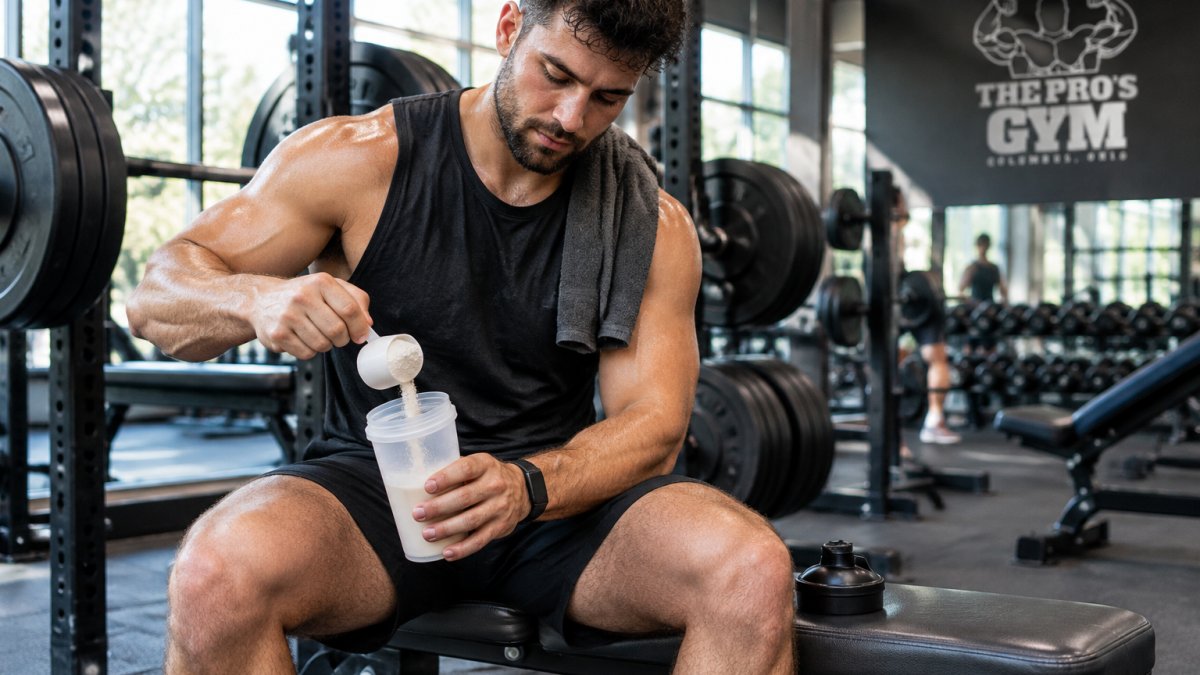
That said, drinking protein within a few hours of training is a sensible habit. It is easy to remember and it helps you reach your daily target. If you train early and eat dinner late, a post-workout shake can fill a real gap.
Watch out: Do not skip meals because you already had a shake. Protein powder should supplement real food, not replace it.
How Much Protein After a Workout Is Enough
Most people do well with a serving of about 20 to 40 grams of protein after training. A standard scoop of Axe & Sledge Farm Fed 100% Whey Protein Isolate provides 25 grams, which fits that range nicely.
Your total daily intake matters more than any single serving. Spread your protein across meals and aim for a steady supply through the day. Body size, training volume and goals all change the right number, so treat these figures as a starting point.
The article gives these figures for post-workout protein and the serving it uses as an example.
Axe & Sledge Farm Fed 100% Whey Protein Isolate – 25g Protein with Digestive →
| Item | Value | Note |
|---|---|---|
| Post-workout protein target | 20 to 40 grams | A starting point, not a fixed number |
| Axe & Sledge Farm Fed scoop | 25 grams | Standard serving of 100% Whey Protein Isolate |
| Total daily protein | More important | Matters more than any single serving |
Protein Isolate vs. Concentrate: Which Fits Your Goals
Whey concentrate is less processed and usually costs less, but it contains more fat and lactose. Isolate has a higher protein percentage per scoop. Isolate is often chosen by people who are cutting, sensitive to lactose, or counting every gram.
If you are bulking on a budget and digest dairy well, concentrate can do the same job. The isolate protein powder is one option for lifters who want a low-fat, low-sugar protein source.
Building Post-Workout Recovery Nutrition Beyond Protein
Protein is the headline, but recovery also depends on carbohydrates to refill energy stores and on fluids and electrolytes. A balanced post-workout meal might pair a shake with fruit, rice, oats or a sandwich.
Some lifters also add other supplements. A colostrum supplement is one option some people explore for recovery, and you can browse our supplements range to compare other products. Choose additions based on your goals and talk with a qualified professional before starting anything new.
Common Mistakes When Using Protein Isolate
- Using it as a meal replacement. It has protein but little else. Pair it with whole foods.
- Mixing it too thick. Use 6 to 8 ounces of liquid per scoop for a smoother drink.
- Overdoing it. Extra protein beyond your needs does not speed up recovery.
- Ignoring total intake. One shake will not fix a low-protein diet.
Trying Protein Isolate at Pros Gym
If you want to see how protein fits into your training, a short-term visit can help. You can find gyms with day passes in Columbus to compare options, or try our guest pass to experience our facility before committing.
At Pros Gym, our three full floors of brand-new and classic equipment, 24-hour access and free towel service support training on your schedule.
Frequently Asked Questions
Is protein isolate good for post-workout recovery?
Protein isolate is a popular choice after training because it is highly concentrated, low in fat and carbohydrates, and digests quickly. Whey protein isolate in particular supplies essential amino acids, including leucine, which is involved in muscle protein synthesis. Because it delivers a lot of protein per scoop with few other macronutrients, it is easy to fit into a recovery routine. It works best as part of a balanced diet that already meets your daily protein needs, not as a replacement for whole food meals.
How soon after a workout should you take protein isolate?
There is no single exact window that works for everyone. Taking a serving within a few hours after training is a practical target, and the earlier part of that period is convenient if you trained fasted or have not eaten in a while. If you already ate a protein-rich meal before or after your session, the timing matters less. Consistency across the day usually matters more than the precise minute you drink your shake.
Can you take protein isolate after every workout?
Many lifters use protein isolate after most sessions, especially on days with heavy training volume. Check the label for the serving size and total daily protein, and adjust your intake to fit your goals and body weight. If you have a kidney condition, a milk or dairy sensitivity, or another health concern, speak with a doctor or registered dietitian before adding a supplement to your routine.
Do you need carbohydrates with protein after a workout?
Carbohydrates help replenish muscle glycogen, especially after long or intense sessions, so adding a carb source can be useful. Protein alone still supports muscle repair, though. If your main goal is recovery after a moderate workout and you eat regular meals, you may not need extra carbs. Pairing your protein with fruit, oats, or rice is a simple way to cover both needs without much planning.
